« Work In Progress | Main | Pie Therapy »
Sunday, July 18, 2025
IMBB 6: Char Siew – Chinese Sweet Barbecued Pork

Char siew needs little introduction. If there is one Chinese food item that is universally recognized the world over by its Chinese name, it is probably this succulent, slightly sweet meat. Char siew (sometimes spelt char siu) is not only eaten as is, with noodles or rice, but is also an integral ingredient in many popular Chinese food items like char siew pau (BBQ pork steamed buns) or char siew sou (baked flakey pastry filled with BBQ pork). It is also a great addition when cooking dishes like fried rice and fried noodles or rice vermicelli (beehoon).
Many other Asian cultures, such as the Japanese and Koreans, also have their own versions of this Chinese sweet pork.
While char siew quite obviously does not qualify under the “grilled” food category (i.e. foods cooked quickly over very high heat – think burgers and steaks), it probably does fall quite well under the “barbecued” classification – except perhaps for one small technicality. Barbecuing, as I understand it, involves long and slow cooking at relatively low temperatures in an enclosed cooking environment.
Traditionally, char siew was made by hanging marinated strips of pork in enclosed clay or brick ovens, heated either by wood or charcoal, and slowly cooked to tender and moist perfection. Although in modern times, these clay ovens have been replaced by circular steel “drums”, the strips of pork are still cooked whilst hung from ‘S’ hooks on the sides of these modern cookers, which are fully enclosed to simulate the heat environment of the ancient ovens. (However, more often than not, for practical reasons, most commercial producers use gas to fire these steel cookers; although there are still a few purists who stick faithfully to charcoal.)
So, for all intents of purposes it can be said that char siew is barbecued (as its English name quite obviously suggests). The only technical hitch is the cooking time. “Real” barbecued meats, like barbecued ribs (in the American sense), are cooked for many, many long hours – usually between 12-15 hours – on low, indirect heat. In that sense, char siew is different, being cooked as it is for a fairly short period of time, at moderate temperatures. But hey, I’m not about to quibble over small differences of a few hours of cooking time or a few degrees of temperature. And so, my contribution for this month’s IMBB theme of “Barbecuing and Grilling” is char siew…
The key to good char siew is not so much in the cooking (although that is of course important in terms of getting the right tenderness and moistness); the critical factor is the marinade. And trying to track down a credible char siew recipe for this project was a task in itself. Even asking several aunts if they had tried-and-tested recipes drew an unusual and disappointing blank. Of course, a quick Google on the Internet revealed a plethora of recipes. However, a closer look also showed glaringly that most of these recipes were, shall we just politely say, highly modified versions. So many of them had "surprising" ingredients for a char siew marinade… the popular route seemed to be to put together several ingredients that were deemed to be “essentially” Chinese, such as five spice powder, yellow bean paste, oyster sauce or other such like – ingredients that I personally have not tasted in all the various char siew I have eaten.
In the end, I decided to take an idea from here, use another suggestion from there, incorporate my own history of taste experiences of store-bought char siew, top it with some advice from mum and an aunt, and came up with a customized marinade recipe. And it was deeply satisfying that the result came out tasting very char siew-like indeed, as all the “tasters” (aka family members) enthusiastically declared.
First though, a few notes about the ingredients…
• The cut of pork used in char siew: According to my butcher, most commercially sold char siew are made from either shoulder or leg meat, because these cuts have the right amount of fat and are more intensely flavored. A lot of the recipes I saw on the Internet use tenderloin instead; some simply use the loin. For “research” purposes, I made the char siew using both the shoulder and the tenderloin. The result? The tenderloin produced a very tender and lean char siew, but also a less moist one. The small amount of fat in the shoulder cut, on the other hand, imparted a wonderfully luscious mouth-feel to the char siew, and gave it the all-important, requisite slightly charred, crispy bits in certain parts. The shoulder cut also had deeper flavors and a meatier bite. Both cuts of meat would work; it’s pretty much down to personal preference. Personally, I would go with the shoulder for the flavor and texture.
• If using the shoulder, have the butcher trim the meat into one long strip (the piece of meat on the left in the picture  ).
).
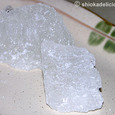
• Maltose  is used in the marinade of all store-bought char siew. However, this did not appear as an ingredient in a single recipe that I saw on the Internet, or indeed in most cookbooks. Almost all the recipes list honey instead. Before this project, I had never worked with maltose before; and would have imagined that it was fairly interchangeable with honey. After having worked with maltose, I would say that it is very different from honey, and the results it gives are rather different too. Maltose is rather hard and extremely sticky and gooey. It gives a certain viscosity to the marinade, and more importantly, it imparts a high gloss and shine to the meat, which is also an important part of the appeal of char siew. And unlike honey, when cooked, it has a less sticky feel to it. The sweetness of maltose is also different from that of honey. I personally feel that maltose is quite an integral part of the char siew marinade. However, if it is unavailable, I think honey does make for an acceptable substitution.
• The most common type of char siew seen around the world is the red colored version. In Singapore and Hong Kong, there is also the dark brown variety – char siew made without the use of any food coloring. I actually prefer the latter. However, for camera aesthetics purposes, I decided to use red food color to make the char siew; and I have to admit it does add a certain appeal to the meat. Usually powdered food coloring  is used – the same type that is commonly used to color First Full Moon red-dyed hard-boiled eggs or birthday longevity peach buns. In Asia, they are commonly sold in Chinese medical halls; outside Asia, they should be available at large Asian grocers. If unavailable, I would think that regular liquid food coloring would work equally well.
I have not included an exact quantity for the food color in the recipe, as this will vary depending on the brand of food color used, its pigment intensity and of course, personal preference as to how red you want the meat to be. It is highly advisable to add the color in small increments; the color can tip very quickly and easily from something that is nicely red to one that is an eery alien red (as I discovered). Also keep in mind that because of the dark soy sauce in the marinade, the sauce will look less red than it actually is. The meat will cook out to a brighter and more obvious red than what the marinade may suggest. [I ended up using a combination of two colors: Sunset Yellow which is actually red with an orange cast, and Large Red (a literal translation from the Chinese name “da hong”) which is a deep blue-toned red. ]
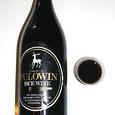
• Most often, Chinese rice wine is used in the marinade. However, it is also not uncommon for brandy, whisky, rum or dry sherry to be used instead. I prefer the conventional rice wine, but whatever is convenient for you will work just fine. Perhaps my only suggestion would be that if using something that has a sharper “edge” to it than rice wine, you may wish to adjust the quantity used accordingly.
And oh, one more point: I made the char siew in the oven. I did not hang the meat up in the customary way as my oven did not allow me to do so; the meat was simply placed on a rack in a roasting pan. And it worked beautifully. It could just as easily be cooked, I’m sure, on the barbecue, if you so desire.
Renee’s Char Siew
Approx. 1 kg of pork
5 tablespoons light soy sauce
3 tablespoons dark soy sauce
5 generous tablespoons maltose
4 tablespoons white sugar
4 tablespoons Chinese rice wine
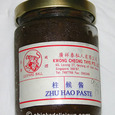
4 tablespoons Hoisin sauce
3-4 pieces ginger, peeled and smashed
3-4 cloves garlic, whole and smashed
red food color
Glaze (optional):
2 tablespoons maltose, warmed
• Clean the pork and remove the skin.
• In a medium saucepan, combine all the marinade ingredients (light soy sauce through to garlic). Heat the mixture for one minute, to allow the sugar and maltose to dissolve. Let cool.
• Place a few tablespoons of the marinade into a small bowl, and add a small amount of food color. Stir to dissolve completely. Pour the colored marinade back into the main mixture, and mix thoroughly. Check color intensity, and repeat the steps as necessary until the desired intensity of red coloring is achieved.
• Add the pork to the marinade and allow it to macerate in the refrigerator for anywhere between four hours to overnight. Stir occasionally to ensure all sides of the meat are well-covered with marinade. [I only managed to marinate my pork for about 2 hours, and it worked fine.]
• Remove the marinated pork from the fridge about 20-30 minutes before cooking, to allow it to come back to room temperature.
• Preheat the oven to 210C or 410F.
• Line a roasting pan with foil and place a rack in it.
• Place the pork lengthwise on the rack. [I also added about ½ inch of hot water to the bottom of the roasting pan just to help keep the meat moist. This is optional.] Put it in the oven and cook for 10-15 minutes (about 10 minutes for the tenderloin and 15 for the shoulder).
• Baste the meat with the marinade and turn it over. Reduce the heat to 180C or 360F, and cook for another 10-15 minutes.
• Baste the pork again and return to the oven for another 5-10 minutes. Check for doneness. [My tenderloin was done in about 25 minutes or so in total, and the shoulder about 40 minutes or so.]
• This is an optional step: if more of the charred bits, so characteristic of store-bought char siew, are desired, let the cooked pork cool for 2-3 minutes after it comes out of the oven, then brush with the warm maltose. Place the pork under the broiler/grill for 2-4 minutes, turning a few times, until some parts of the pork become slightly charred and crispy.
• Alternately, after the pork comes out of the oven, brush a layer of the marinade (be sure to bring the marinade to a boil and cook it through first though, as it has had raw pork sitting in it) over the meat, and leave to cool and dry for about 10 minutes before slicing the pork. This will give the char siew that final glossy, shiny finish.
I chose the latter option. But, as you can see from the pictures, we didn’t wait until the sauce had been absorbed; the family was impatient to get their hands on the pork. And so it was a little messy slicing into the char siew, with the still wet sauce running into the center of each slice.


Other than that, the char siew looked very good, and tasted just as wonderful, if I may say so myself. And the family unanimously approved of the marinade’s balance of flavor. In fact, I had much difficulty keeping their paws off the freshly barbecued slices of pork; they were gobbling up the char siew faster than I was slicing it, and there was a real danger there wouldn’t be any meat left for the konlo (dry tossed) noodles that I was serving for dinner.
And so, this was our dinner…

An additional note: to make some delicious char siew gravy to pour over rice or the char siew slices themselves, either make another batch of the marinade mixture, minus the food coloring, and cook it down on the stove (remembering to remove the ginger and garlic before serving); or, if no food coloring was used in the original marinade, simply bring the remaining marinade to a boil on medium heat, reduce to a simmer, allow the mixture to reduce slightly, strain and serve.

I’ve just discovered how tasty freshly cooked char siew is; how different it is from store-bought ones. And they freeze well too. You can make a batch, store them in the freezer, and use them to make paus (or baos) and other dim sum items, or use them in fried rice or stir fries… char siew is so wonderfully versatile.
Happy char siew-ing!
Copyright © 2004 Renee Kho. All Rights Reserved.
Please contact me for permission to copy, publish, distribute or display any of the images or text contained in this article.
09:23 PM in Home Cook: Poultry & Meats | Permalink
TrackBack
TrackBack URL for this entry:
http://www.typepad.com/t/trackback/932810
Listed below are links to weblogs that reference IMBB 6: Char Siew – Chinese Sweet Barbecued Pork:
Comments
yum, yum and yum!
beautiful char siew, renee! and it doesn't look fatty at all!
i'm sure it will make wonderful paus :D
Posted by: jun | July 19, 2025 12:21 AM
Renee - this looks sooo good! I'm going to start looking for maltose right now. Thanks for the recipe!
Posted by: Cathy | July 19, 2025 01:20 AM
Renee! Great minds think alike! Your char siew looks so delicious and so juicy. I'm so glad you posted the recipe because I had one failed attempt at making this a long time ago and just yesterday threw out my recipe for it. We would have made a great team for this IMBB!
Hope you and family are all well. Cheers!
Posted by: Deb | July 19, 2025 01:55 AM
Hi Renee,
Great job! I don't often eat char siu, but when I do, I love the crispy, slightly-charred bits. This one looks very yummy! =)
I've been searching for a recipe for the marinade for a while now so thanks for sharing yours. I know it's tested and must be delicious! The one's I've tried in the past were just so-so.
Posted by: Reid | July 19, 2025 05:42 AM
Thanks Renee for sharing! I've always thought that the process is labour-intensive but you've made it look so do-able at home! Bravo!
Posted by: Shirley | July 19, 2025 09:35 AM
Oh boy!!!! That's looks so delicious, Renee. I'm going to make that. I make char siew pau, but I buy the pork ready made from a Chinese grocery. But, your recipe looks like it would be pretty easy--just have to find the darn Maltose. Hey, that's why we have the Internet--to order stuff like that, right?
YUMM--just had a fantasy of my freezer stuffed with char siew.
Sher
Posted by: sher | July 19, 2025 11:31 AM
Renee, thanks for revealing the secrets of char siew. I've tried doing this once using one of the recipes found on the net and while tasty it wasn't the real thing. I'll definitely try your method on a large batch (so I can freeze some too). A question on the maltose: do you have any idea how much maltose is in the maltose "syrup" you used? I can get some pure maltose from my lab :-)) (hey, it just sits there since years and nobody uses it) but it's a powder.
Posted by: Alberto | July 19, 2025 03:34 PM
Last time I was at Oriental City in London, I spotted a tub of maltose (this is some months ago now), and bought it. I had absolutely no idea *why* I was buying it, but it seemed a good idea at the time. (Plus, they had run out of ikan billis so I was in a bad mood and buying everything in the shop; purple perilla and a pigs uterus, anyone?)
The maltose (same brand as the one in your pic) has been sitting in the cupboard since then, waiting to be deployed in...something. I'm *so* chuffed you've blogged this recipe; it sounds fantastic and should clear some cupboard space. Thanks for another fantastic recipe!
Posted by: Liz | July 19, 2025 08:05 PM
Actually, this reminds me; I've attempted char siew before (years ago), and I seem to remember that the (disasterous) recipe involved ORANGE JUICE somewhere along the line. Where do people get these terrible ideas from?
Posted by: Liz | July 19, 2025 08:13 PM
hi Jun,
yeah, there was just the right amount of fat for lusciousness, so it was nice : )
and that's from someone who's very big on removing all visible fat from the meat I eat (and cook)! : D
only wished I had made more of the charsiew so that I could freeze them and make paus with them later...
but everything was gobbled up in double quick time : (
hi Cathy,
ooh... I hope you get a chance to try out the recipe sometime...
home-made does beat store-bought I think : )
hey Deb!!
wow! what wonderful serendipity and resonance! love your char siew buns!
would you believe that was what I was thinking of making too, after I made my charsiew... but I was feeling lazy and was out of time...
I'm so glad you made them instead!
yeah... we'd made a good team... two phases of a dish half way across the world! how cool is that!
your buns (char siew buns that is ; )) look gorgeous!
now I guess we can swap and I'll try making the buns and you can try the char siew. lol.
hey Reid,
yep! the charred bits are the best!
my favorite too : )
hi Shirley,
I too had always thought char siew to be very involved and difficult... but it really isn't too bad at all...
I think I want to make the dark variety the next time round : )
hi Sher,
oh, how nice! you've made char siew paus?
would you have a recipe for very fluffy pau dough to share? I can't seem to find one I really like.
yep, I intend to make a big batch of char siew some time soon... freeze them... and then get a chance to play around and make all sorts of char siew stuff. now that would be fun! and yum indeed! : )
hi Alberto,
that had me chuckling away... maltose from the lab! how kewl!
and if you do make some char siew from your lab maltose, please blog about it... I want to read all about it!
on a more serious note (ahem)... umm... not sure about the ratio bit... I checked the container again, and the translation of the Chinese ingredients is more or less just: "big/large rice" and "malt water".
not much help huh?
but at room temperature the maltose is an almost-solid but soft (contradiction I know) mass that is extremely sticky... almost like playing with semi-hardening super-glue! : o
oh dear, not much more enlightening I know...
maybe you might have to play the mad-scientist for a bit and start playing with the maltose powder in the lab before heading into the kitchen ; D
sorry I couldn't be of more help... I'll try to find out more about maltose if I can.
hey Liz!
now, is that *forward planning* or what? ; )
that's made me feel better about the dozens of food items I have picked up for "no reason" and which have been just sitting there...
I'm sure all the *right* reasons will come in their time! : )
LOL. that's a good one! orange juice?! I saw some pretty *strange* char siew recipes on the Net, but didn't come across one quite in that league though!
Posted by: Renee | July 19, 2025 10:37 PM
Renee,
I've tried several dough recipes for my steamed buns--but this is the one I settled on. I think they are nice and fluffy, but I had buns from a restaurant once that were REALLY fluffy. Still, I love making these, even if my buns aren't twisted perfectly on the top. This recipe is from Craig Claiborne and Virginia Lee's The Chinese Cookbook.
The dough:
3 1/2 cups all-purpose flour
1 tablespoon chilled lard
1/4 cup sugar
1 teaspoon dry active yeast
1 cup warm water
1. Place 3 cups of the flour in a mixing bowl and add the lard, working it with your fingers to blend well. Add half the sugar and blend well.
2. In a smaller bowl, combine yeast, the remaining sugar, and 6 tablespoons of warm water, stirring to blend. Add the remaining 1/2 cup flour and stir to blend.
3. Add the yeast mixture to larger bowl and work the dough with your hands, while adding the rest of the warm water. When blended, the dough should be fairly stiff. Knead the dough until smooth, about 5 minutes. Shape it into a ball and place in a clean bowl. Cover with a damp cloth, but don't let the cloth touch the dough. Let rise in a warm place until it has doubled--about 2 hours.
4. When dough has risen, punch it down and turn out onto a floured surface and shape into a sausage shape about 18 inches long. Cut this in half and cover one with a cloth to prevent it from drying out.
5. Use pieces of dough about 2 inches in diameter to make the buns. roll the dough about 3 1/2 inches in diameter, thinner in the middle than the edges.
I've also made a version of the dough with no lard, and milk in place of the water. However, I prefer the dough made with lard much better.
I want some now!!!!!!!
Sher
Posted by: sher | July 20, 2025 12:43 AM
Renee, as usual, a wonderful recipe, full of stories and hints and anecdotes. Perfection!
Question: could this same marinade be used with beef or chicken, do you think? Being a non-pork indulger, I still love that sort of sticky, gooey marinade...mmmm. Yum.
Posted by: Jennifer | July 20, 2025 06:41 AM
yay!!!! i finally know how to make char siew!!! i cannot wait to use this for the buns. you are absolutely fabulous. really. thank you so much for the detailed recipe =)
Posted by: barb | July 20, 2025 01:18 PM
hi Sher,
thanks so much for sharing the recipe!
I'm hoping to find some time to try it out : )
yeah, I like those really fluffy paus too! maybe it's in the flour... over here we have something called Hong Kong Flour, and I think it is meant specifically for things like dim sum and paus... will have to find out more...
hi Jennifer,
thanks! *blush*
oh, this will work great with chicken!
one of my favorite char siew paus is actually a Halal (Islamic) version that uses chicken instead of pork... and it tastes just like pork char siew!
I've never tasted beef char siew though... not sure if that would work... as beef tends to have stronger flavors than either pork or chicken.
but if you do try it out, please let me know how it goes : )
Barb!
nice to hear from you!
and you've made me blush!
glad you like the recipe... and do let me know how it goes when you do manage to try it out : )
Posted by: Renee | July 20, 2025 03:05 PM
Renee, the char siew looks really yummy. I was just having craving on char siew with konlo mee the night before you post this imbb on bbq & grilling!
I use pork neck in my char siew. I have read somewhere that's what the restaurants use. Not exactly sure if it is true or not. Actually I have never attempted in making char siew from scratch. I use the char siew sauce from Lee Kum Kee. It's not too bad but doesnt produce that much of a red colour effect. I guess char siew is the easiest to make among all the chinese bbq gourmet. ;-)
Posted by: pinkcocoa | July 20, 2025 03:11 PM
thank you for the recipe. the coconut link goes to a page showing the results of using your recipe. the charsiew is very tasty! thank you! ^_^
Posted by: coconut | July 20, 2025 04:11 PM
hi pinkcocoa,
yeah, I've also heard that some people do use pork neck for charsiew... they say it gives a nice texture as it is a much fattier cut of meat.
I guess it's all down to personal preferences for fat levels in the meat. : )
heh. that was what everyone told me to use (Lee Kum Kee) when I announced I was going to try to make char siew from scratch!
but I'm glad I experimented and now have something to call my own : )
COCONUT!
oh my! that is gorgeeeeous!
I'm so thoroughly impressed and so happy to see your char siew! (and so quick off the bat to make it too... caught me off guard there ; ) ... and am a little flattered : ))
everyone, please go see the pics...
click on coconut's name in the original comment to get to the page...
I'm now very inspired to go make another batch of char siew without the food coloring (my preferred charsiew actually for everyday eating)...
thanks so much for sharing.
this has been a very sad day for me, so this has brought a much-needed smile to my face and much warmth to my heart.
thank you again!
Posted by: Renee | July 21, 2025 03:45 AM
Hi Renee,
You must be a mind-reader! I was just thinking about Char Siew and how to cook it (but did not have the time nor effort to look for a recipe nor to experiment at this point in time), and there you have it - a perfected recipe again! Thank you, thank you, thank you. Since you made it seem so easy, I just might try it ;) - otherwise, it will go in my file for later.
Posted by: jcheng | July 21, 2025 10:08 AM
Hi Renee,
I tried your char siew recipes last weekend for our BBQ party. It is the best recipe I have even encountered for char siew and it was absolutely delicious. I used the shoulder cut of pork, substituted maltose with corn syrup (needed to use it up), marinated over night and grilled it on a open flame. The pork was so juicy that you could see the unresistable juice coming out when you sliced it. The char siew also turned this nice amber-ish caramel colour which immediately drew ooh-and-aah from our guests.
Time to discard my old char siew recipes. This one is a keeper!!!
Posted by: Savannah | July 26, 2025 08:57 PM
Hi Renee
Just want to let you know that i used your recipe to make char siew last night and it was a success! thanks a bunch *hugs*
i wrote a post on the charsiew i made. my name links to the post ;-)
Posted by: pinkcocoa | July 28, 2025 10:44 AM
Thank you thank you thank you for posting this recipe -- I've been hunting for char siu recipes and when I see ingredients like "ketchup" at the top of the list, I know it's time to keep on clicking. (But I didn't run into the one that had the orange juice... ::shudder:: I guess that means there are even MORE of the scary versions out there...)
Anyway, I love the analysis and the illustrations, and I'm definitely going to try this one out for the Chinese edition. The Thai edition of char siu (called moo dang) doesn't seem to have hoisin sauce but does have five-spice powder; the Japanese edition (chashuu) doesn't have hoisin or five-spice powder but does have star anise and a couple of other five spice ingredients. I'm going to see what a 'char siu ramen three-countries style' turns out like... eventually, since it's going to take me a while to dig up that much cooking time!
Anyway, I love your blog, and I'm going to have to come back and poke for more recipes. I can cook Japanese (homestay in Osaka last summer) but I'm still learning the rest of Asian food... thank you again for a great resource!
Posted by: ChibiRisu | July 31, 2025 09:24 AM
just watching the pictures of your char siew makes me salivate ,may i know where can i buy one of the ingredients (the maltose)??thanks in advance!!!
Posted by: ilavpork | August 9, 2025 03:25 AM
hi jcheng!
so nice to have you back! : )
and a very, very belated happy first full moon [I was planning to email you on the actual day... but I guess life had other events planned for me at that time : (
sorry I missed it; hope it was a good one : )]
yeah, I was rather surprised at how easy it was to make char siew... for some reason, I had always thought it to be fiddly and involved.
but it was pretty straightforward; especially given the level of taste rewards for the small effort! : )
glad you like the recipe, and hope you will get a chance to try it out one of these days.
I've actually used the same marinade for another meat dish and it worked incredibly beautifully... hopefully I'll get a chance to post about that soon...
hi Savannah,
oh, I'm so happy to hear that it worked out so well! just reading your comment, I can already imagine how wonderful the char siew must have smelt, looked and tasted - especially with the added smokiness of cooking it over an open fire.
I would love to try the recipe again on the grill... one day soon, I hope.
the corn syrup sounds like a great idea! it's probably a closer substitution for maltose than honey is.
nice inspired choice : )
wow pinkcocoa!
your char siew looks very very good!
I can understand how "addictive" the sauce is... I've used it once now to cook something else... and everyone absolutely loved it!
thanks so much for sharing the pics, and I really enjoyed reading the writeup! great way to get him to eat more kai lan I say ; D
I've never tried making (or eating) savory konnyaku... how interesting! I only know it as the sweet jelly snack. how does it taste when savory?
hi ChibiRisu,
welcome to my blog : )
glad that you are enjoying it.
now that sounds like something that would taste fantastic and interesting: ramen (or just plain rice even) with a trio of char siew!
nice idea!
yeah, I think it does get a little confusing, not only for non-Asians but for us Asians to, as to the specific but oftentimes very subtle differences between the various versions of char siew.
plus, every chef/cook will have their own slightly different versions too!
I suspect the Thais' khao moo dang is probably the closest to the Chinese in terms of taste, given the strong ethnic Chinese population in Thailand.
I've heard about and tasted different versions of this... some with five spice, others using star anise and others still using lemongrass in the marinade for a little bit of aroma.
I was always under the impression that the Japanese tend to use pork belly for their chasuu... but maybe I'm wrong?
wonder how different the Korean version is from the Chinese one?
hi ilavpork,
you did not mention which country you are in.
in south east asia and north east asia (Taiwan and HK), it can be bought at most supermarkets and provision/grocery shops.
if outside asia, it should be readily available in Chinatowns - either the Chinese supermarkets or provision shops.
hope that helps. : )
Posted by: Renee | August 15, 2025 02:06 AM
Renee, the marinade is definitely overly addictive. i used teaspoonful of the char siew marinade when i marinade my meat now. thanks so much for coming up with such a wonderful recipe! and yes! i can definitely enjoy kailan (without him whinging) now that i have the power of char siew marinade on hand!
the konnyaku i used is very commonly used as a hotpot/steamboat ingredient in taiwan and japan. konnyaku basically doesnt have any flavour on its own so how good it taste really depends on how yummy the sauce you broil it in. with the char siew marinade, this konnyaku was heavenly! konnyaku is just crunchy i would say, be it sweet or savoury. sweet konnyaku jelly are just so addictive, especially the lychees one! taro-flavoured one is not bad either. i used to buy buckets of these jellies. :p i know there are people who substitute konnyaku as noodles (to lose weight) or even meat (for vegan). i have tried konnyaku-imitated meat (it's a vegan food). it's just crunchy and not too bad.
Posted by: pinkcocoa | August 16, 2025 05:01 PM
hiya pinkcocoa,
ooh... that's a great idea! to make up a batch of the char siew marinade and use it together with other stuff to marinade other meat.
thanks : )
hmmm... I think I want to try the savory konnyaku. I've only seen the packets of konnyaku powder for making the sweet jelly in S'pore.
will look more closely in the Jap supermarkets for the plain strands (like the ones in your pic) and experiment with some savory flavors.
should be fun : )
Posted by: Renee | August 17, 2025 02:02 AM