« Yahoo! Picks Shiokadelicious! | Main | Stepping Out of My Cake Comfort Zone »
Monday, October 18, 2025
FFRB* II : Ah Saam’s Signature Chicken Dish
* From the Family Recipe Box
Ah Saam was my mother’s family’s domestic help, but she was also much more than that. During her many, many years in the household, she became family.
It could be said that she belonged to the pioneer batch of ‘career women’ - - in a time when that term hadn’t even been coined yet. She belonged to that unique and special group of women we in South East Asia (and southern coastal China) call “ma jie” - - women who chose economic independence over marriage and family. They decided to “soh hei, mg ka” (literally translated from Cantonese as “comb up, will not marry”) - - that is, they wore their hair up in a tightly knotted bun and forsook marriage vows. Many went to work as domestic helpers in the wealthy Chinese families of Hong Kong, Taiwan and South East Asia, and devoted their entire lives to serving their employers and raising the children of the household.
These women, in their own special ways, became a very important part of Chinese society, and in some ways, became a very important economic force too. They took great pride in their vocation as domestic helpers, and they could always easily be identified by the way they groomed and dressed themselves. Almost inevitably, they all wore “saam fu” (literally: blouse pants) - - a distinctive get-up of loose-fitting black pants and a tunic-style white or light-grey-with-a-small-flower-print blouse. And they always combed their hair into a neat, tight bun at the back of their heads. Yes, these were the ma jie that were often depicted in Chinese movies or Cantonese TV serials.
While almost all of these ma jie never married, our Ah Saam was a little different. She married late in life (very late for those days at least) - - in her 30s. But within a year of her wedding, she became a young widow. That was when she made the incredibly brave decision to become a ma jie, leave her hometown in Guangzhou province in southern China and head for the unknown in Nanyang (or South East Asia). She came to this part of the world alone and with hardly any possessions, and ended up being employed by my maternal grandparents. She stayed with the family right up until her death, when she was in her 80s.
In the almost five decades she was with the family, she became family. While my grandmother busied herself helping my grandfather build his business, it was Ah Saam who ran the household and raised my mother and her siblings. Over the years, the distinction between employee and employer blurred and disappeared altogether ; we never saw her as anything but part of the family. She was the one who cared for, fed and watched over my mother, aunts and uncles; she was the one who disciplined them and kept them in line. She made sure that they cleaned their own rooms (because as she always pointed out to them : that wasn’t her job but their own responsibility) and that they helped with the household chores.
When Ah Saam first arrived in the family, my mother was a mere toddler. She watched my mother and her siblings grow up, go through school, date, marry and have kids of their own. She even watched me, my brother and my cousins grow up - - she became almost like a second maternal grandmother to us. She knew what our favorite foods were, and, without fail, always had those dishes waiting on the lunch table each time we visited with our grandparents.
I believe she loved us dearly. I have distinctive memories of her being so happy to see us each time we visited. And my grandmother used to say Ah Saam would always get all anxious and would keep watching out for us if we were even 15 minutes late for our regular lunch get-togethers with my grandparents. Probably, in many ways, we became very much the grandchildren she never had. We were always greeted with a hug, and she always saved the best foods for us and made sure she had little treats for us. After each visit, as we left, there would be another hug, and she would always stand at the door and wave until our car was out of sight. Memories of her tiny, petite figure, dressed in her saam fu, standing in the doorway remains indelibly etched in my mind.
Ah Saam was a woman of strong character, and she was not afraid to make known her views on things, even to my grandparents. And what was interesting was the curious clash (but a harmonious clash, if there ever was such a thing) of cultures between my grandparents and Ah Saam. My grandparents were Hakka, and throughout their lives, spoke only the Hakka dialect. Ah Saam, on the other hand, was Cantonese, and throughout her life, spoke nothing but Cantonese. And yet, everyone communicated beautifully and understood each other perfectly. To the outsider, it was always a curious scene : my grandparents speaking to Ah Saam in Hakka, and she in turn responding in Cantonese! It was very much like the Chinese saying : a duck talking to a chicken!
When it came to cooking and the food that was served in the family, Ah Saam took on many of my grandmother’s Hakka recipes and made them her own. Many of the Hakka dishes, like this particular chicken dish, even became her signature dishes. She also adopted many of the Hakka festival customs and food traditions.
This particular chicken recipe (apparently quite a down-home, true-blue Hakka dish) has gone from maternal grandmother to Ah Saam, then from my mother to me. And to this day, it still remains a firm favorite for me and my family. It is another one of those dishes that is incredibly easy and simple to prepare and yet taste out-of-this-world.
Of course, normally - - just as it was when my grandmother and Ah Saam made it - - regular free-range chicken (or kampung chicken, as it is called in this part of the world) is used in the dish. But sometimes, my mum, and thus, now me, also use small black chickens for this recipe.
Black chickens are exactly that - - black, and naturally so. Their skin is black ; their flesh is black. They are usually fairly small - - somewhere in between a squab and a spring chicken, and are believed to be far superior in nutrition compared to the regular chicken. Most often they are used in double boiled soup tonics. But in my family, we also like to cook them with glutinous rice wine and ginger.
Their meat is more tender and yet, at the same time, firmer than regular free-range chickens. It is also leaner and sweeter too, with deeper, richer and more intense flavors. I personally enjoy black chickens a lot more than regular free-range chickens. But they don’t work well for all chicken dishes though ; only some, and in this one in particular.
Chicken with Glutinous Rice Wine and Ginger
6 whole free-range chicken legs or 2 small black chicken, quartered
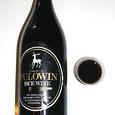
¾ cup glutinous rice wine
3 - 4” knob fresh ginger
4 slices fresh ginger
1½ tablespoons sugar
5 tablespoons light soy sauce
• Clean the chicken, and remove skin and excess fat.
• Taking the big knob of ginger, cut it into several medium pieces, bruise them with the sides of a cleaver or a pestle, then squeeze out the juices. Discard the root and reserve the juice.
• In a completely dry, non-stick wok or large non-stick skillet, melt the sugar. Resist the urge to stir the sugar ; simply leave it to melt completely, on low heat, until it is lightly colored.
• Once the sugar has melted, add the light soy sauce, glutinous rice wine, ginger juice and the ginger slices. Stir to mix well, and bring to a rolling boil. [This is important - that the sauce be at a rolling boil before adding the chicken; this seals the meat as soon as it is added, and helps the chicken stay moist and tender.]
• Add the chicken. Let it cook until the meat on the underside has changed color. Flip the chicken pieces over, and cook until the other side has also turned color. Cover the wok and leave to simmer for about 20 minutes (depending on the size of the chicken pieces) or until the chicken is fully cooked through.
• Serve the chicken with gravy on the side. [The sauce will have thickened and developed gorgeously rich flavors by the time the chicken is cooked through.]
Note:
• Some of you may be surprised (then again, you may not be at all) at the amount of rice wine that is used in the recipe, and that this dish was served to us as children. But it is quite safe to do so, I think. The alcohol evaporates completely as the chicken cooks, leaving just a richly and intensely flavored sauce. And really, it is the glutinous rice wine (or rice wine, if you prefer) which gives this dish its distinctive and incredibly delicious flavors.
• The taste of the ginger is fairly subtle, despite the amount of juice used. It works in the background adding a refreshing zip to the chicken and gravy.
• Any leftover sauce is sublime the next day when used to toss with some noodles, rice vermicelli or even pasta! [Recently, I discovered a small bowl of the gravy that had been sitting in the fridge for almost a week. I heated it up and the most incredible aromas emanated throughout the kitchen - - it still tasted fantastic too. I made some dry tossed (kon lo) noodles with it, and topped it with some store-bought foo chow fishballs. Yum! It made for a wonderfully quick, easy and tasty lunch.]
Copyright © 2004 Renee Kho. All Rights Reserved.
Please contact me for permission to copy, publish, distribute or display any of the images or text contained in this article.
12:38 PM in Home Cook: Poultry & Meats | Permalink
TrackBack
TrackBack URL for this entry:
http://www.typepad.com/t/trackback/1283873
Listed below are links to weblogs that reference FFRB* II : Ah Saam’s Signature Chicken Dish:
Comments
reminded me of my confinement food :p but it was delicious
Posted by: babe_kl | October 18, 2025 02:46 PM
Hi Renee,
This looks really interesting. I've never had a black chicken, but judging from your description of it, it must taste much better than a regular chicken.
Besides this particular dish, what else is it used for? And do you know how these chickens get their black color?
Posted by: Reid | October 18, 2025 04:40 PM
GOT TO TRY some black chicken..... Do you know if one can get them somewhere in Europe?
Posted by: Hande | October 18, 2025 05:08 PM
What a wonderfully written story, Renee. Did you use black chicken to make the chicken in the picture or is that the colour that we should expect regular chicken to turn when cooking this recipe?
Posted by: Angela | October 18, 2025 06:00 PM
What a great story! Never heard of black chicken but would certainly love to try it. Might be able to find it at China town. Anyhow, I wanna try this with a free range chicken this week. Thanks a lot for sharing this recipe!
Posted by: Elna | October 18, 2025 06:45 PM
I have always though the black chicken is quite special. It has white feathers but everything else is black, even the bones. That reminds me, I have not had black chicken soup for a long time.
Posted by: ST | October 18, 2025 08:13 PM
Very interesting and educational. I love learning tidbits about the how real people ofChina. It's been almost a year since my first and only visit, and I still have my jade bracelet on my left wrist! I wonder if I can get black chicken in Chinatown, NY. If not, it'll have to be white chicken.
Posted by: andrea raphael | October 18, 2025 10:57 PM
Hi Renee,
What a heartwarming story! We used to have a "Ah Saam" from Penang too, and yes - she definitely became family. She is now retired and has gone back to Penang. Anyway, more anecdotes, pretty please....
And, more hakka recipes too....
Once again, another award-winning post!;)
Posted by: jcheng | October 19, 2025 12:35 AM
hi Hande,
I'm really not sure.
I guess it also depends on which part of Europe you're in.
perhaps the larger Chinatowns may have some frozen birds... in the larger Chinese or Southeast Asian (Singaporean / Malaysian) grocery stores / supermarkets maybe?
good luck with the search : )
hi angela!
yep, the chicken in the picture is the black chicken.
this was a very young chicken, and so it is almost jet black.
as the chickens get older, the color lightens a tad.
if using regular free-range chicken, you'll get a color akin to dark-ish toffee... a lovely caramel-y color.
hey elna!
I think you'll enjoy the flavors of this one : )
good luck with the hunt for the black chickens... but this is great too with regular free-range.
hi ST,
they are rather unique aren't they?
snowy white on the outside... and midnight black on the inside... right down to their blood veins too!
I'm constantly intrigued by the sight of them... and what can I say, they taste mighty good too : )
hiya jcheng!
LOL. I don't know about award-winning... but this recipe is a definite winner with the family : )
yeah, Ah Saam passed away more than a decade ago, but she still crops up alot in conversations - usually around food and how she used to cook this and that!
she stayed with my grandparents right until the end, and actually passed away in my grandparents' home... we were her only family.
the old days are so different from the present huh?
Posted by: Renee | October 19, 2025 04:18 AM
What a wonderful story, Renee. This is why your blog is so special!! I would love to have black chicken some day.
Sher
Posted by: sher | October 19, 2025 05:09 AM
What a wonderful story, Renee. This is why your blog is so special!! I would love to have black chicken some day.
Sher
Posted by: sher | October 19, 2025 05:09 AM
It's cool how certain foods are attached to certain memories or certain people... so, food's not just abt taste, but also affection and love. :) That's a theme that's frequently in my blog too... some foods really trigger off great memories! Yay!
Posted by: spots | October 19, 2025 08:27 AM
Another cherished Hakka dish. Always reminded me of confinement food but tastes good just the same anytime. The black chicken is amazing. One of the mysteries of this world? The ones we get here in Singapore are usually small but lately due to the stoppage of imports from across the causeway because of bird flu, we can now get bigger ones. I usually buy one every week to make herbal soup for the family and my daughter actually likes to eat the chicken too although there isn't much taste left after boiling in the soup. I'm surprised that they don't freak out at the sight of the blackness of the flesh.Another mystery question - why is it that the black chickens always have white feathers??
Posted by: nyetzy | October 19, 2025 02:54 PM
Hi Renee,
Really enjoyed reading this post. i agree with spots... food is not merely about taste, what's more important are the memories and love they convey. I have lots of fond memories of the favourite foods i had as a kid... and those were never fanciful restaurant dishes but rather, they were simple, home-cooked dishes that were prepared with love and care. i truly believe that dishes prepared with your loved ones in mind will always taste good :)
Posted by: Keith | October 19, 2025 08:44 PM
btw, my dad mentioned b4 that REAL black chickens for herbal tonic soups have a tiny 4th claw on their feet sticking out by the side. anyone heard of that b4? huh huh?
Posted by: timothy | October 19, 2025 09:36 PM
Hi Renee
What a beautiful and wonderful story of Ah Saam. Now I see where all your cantonese recipes come from! I am sure your family has missed her dearly.
When I first saw the pic, I couldnt work out what the black thing was! It was simply just so dark...so black...and so shiny! I havent had black chickens (wu ku ji i think it is called) for a long long time. Grandma would make herbal soups using them. I havent seen the black chicken here. I think I might try to look for it in chinatown. I reckon the black chicken would stun many gweilo if served as roast chicken! Do you think they are good for roast? :-)
Hi Timothy
I have heard about the tiny 4th claw but havent actually validate this myself :-)
Posted by: pinkcocoa | October 20, 2025 06:21 AM
Sher, that's so nice to hear. thanks : )
hi Nyetzy,
yeah, this is definitely a confinement sort of dish, although for some reason, my mum's family doesn't seem to have a tradition of serving this as confinement food... we have a different rice wine chicken (ji jiu) for that, much like this http://www.shiokadelicious.com/shiokadelicious/2004/06/from_the_end_of.html that I talked about previously, and which I also love to eat every now and again even during "normal" times : )
I think I'm like your daughter - - I too eat the black chicken after it has been cooked in the soup : )
I find the meat so tender even though rather bland after the lengthy cooking.
I just dip it in a little bit of either thick dark soy sauce or finely minced ginger with light soy sauce.
I think the black chicken is definitely Nature showing her sense of humor or artistic flair ; )
after all, black and white always go rather well together... rather chic, no? ; )
hey Keith,
glad you enjoyed the post, and agree fully with you about memories and food : )
hey Timothy,
are there "fake" black chickens? ; D
ummm... as for the 4th digit... I'll have to verify that the next time I buy black chickens from the wet market and let you know ; )
hi pinkcocoa,
glad you enjoyed the story : )
but this is actually a hakka dish (according to my mum), and strangely enough, Ah Saam never passed on any Cantonese recipes... I think she almost exclusively only cooked my grandmother's hakka dishes! : )
I think my mum's cantonese recipes were ones that she picked up for herself along the way and honed to her own liking.
heh. and I get the easiest part... inheriting all these tried-and-tested recipes : D
black chickens are called "juk shi ji" in the traditional chinese medicine annals... and because they are believed to be especially nourishing and fortifying, used to be used exclusively in herbal preparations.
I've never tried roasting them... so let me know how it goes if you do ever decide to experiment : )
apparently another very delicious and nutritious classic way of preparing them is to double boil them in fresh milk!
Posted by: Renee | October 20, 2025 12:46 PM
Timothy, yes, I have seen the feet with the 4th claw. Quite common here and have seen it a few times. However, cannot confirm the claims though.
Posted by: nyetzy | October 20, 2025 03:54 PM
nyetzy,
I think you could be right... don't all chickens (and other poultry for that matter) have four claw digits?
I have to confess I rarely buy whole chickens, so I have never really paid attention to the claws.
but if I remember correctly, all the "phoenix claws" served at dim sum / yum cha have three long claws and a very short, stubby fourth one, right?
Posted by: Renee | October 21, 2025 03:43 PM
With your many cantonese recipes, I thought you were a Cantonese! Mum's recipes are always the best!
Double boiling in fresh milk? How does that work? I can hear the milk-drinker at home screaming at this idea: what? you wanna waste my milk?
Posted by: pinkcocoa | October 22, 2025 12:37 AM
hey pinkcocoa,
yep! just like normal double-boiling of black chicken soup, but using milk instead of water to cook the soup.
it's supposed to be very, very nutritious (you're supposed to drink the milky soup and eat the chicken) and apparently recommended by Chinese Medicine for something or rather (which I cannot now remember) : )
Posted by: Renee | October 22, 2025 03:20 AM